
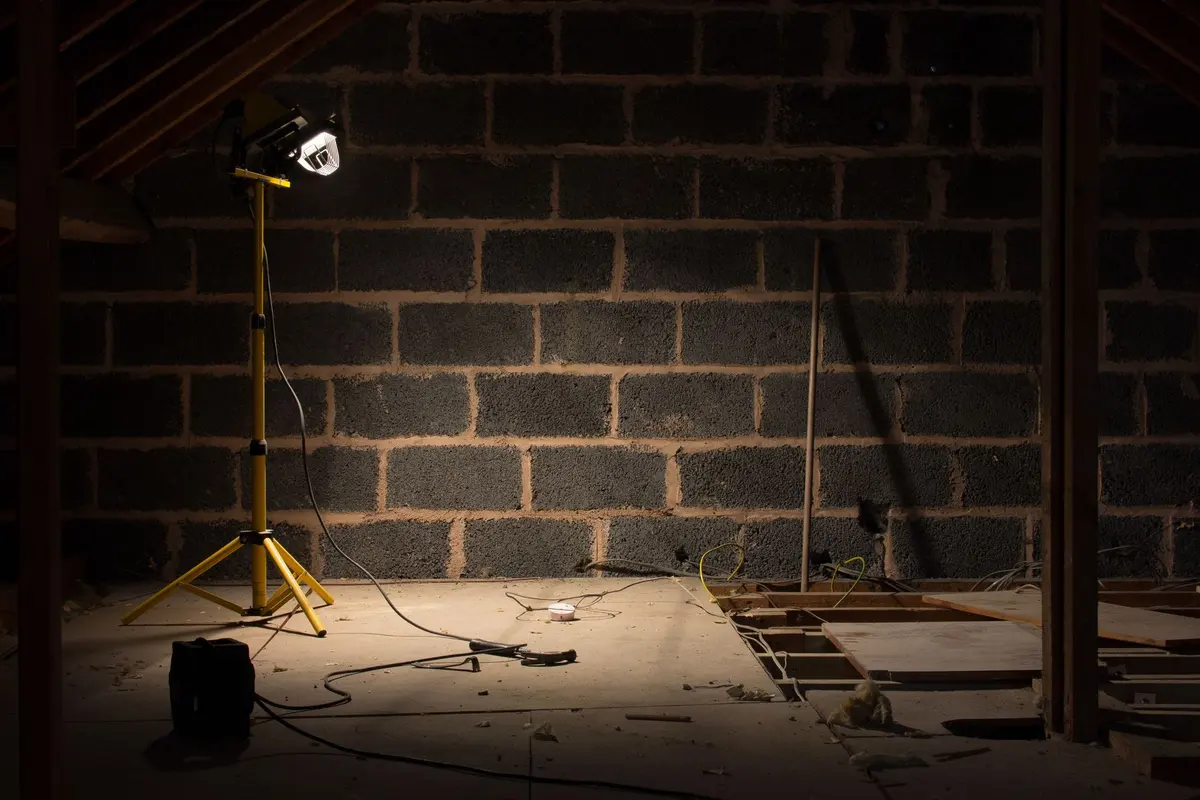
Attic Insulation in Richmond, VA
The attic is where most homes lose the heat they pay for in winter and gain the heat they fight in summer. We insulate attics across Richmond and Henrico County.
Why Attic Insulation Matters in Richmond
Heat moves from warm to cold. In winter that means warmth from your living space drifts up and out through the ceiling into the attic. In summer the direction reverses: a hot attic sits over your bedrooms and sends heat down. Insulation on the attic floor is the barrier that slows both, and it is usually the most cost-effective place in a house to add insulation.
Richmond sits in a climate with hot, humid summers and cold winters, so insulation works hard in both directions. Many older homes in the area were built before modern insulation standards, and some have thin, settled or missing insulation. Others had insulation added years ago that has since been disturbed by wiring work or pests.
Attic insulation is not just about adding material. It also depends on how the attic is ventilated, whether air is leaking around ceiling penetrations and whether anything wet or damaged is hiding under the old layer. We look at all of that before putting anything down.
Signs Your Attic Needs More Insulation
Your house usually tells you when the attic is under-insulated:
- Upstairs rooms that run hot in summer or cold in winter compared with the rest of the house.
- Energy bills that climb even though the heating and cooling system is running normally.
- Joists you can see when you look into the attic, meaning the insulation sits at or below their tops.
- Uneven snow melt or ice patterns on the roof in winter, which can show where heat is escaping.
- Drafts around the attic hatch or ceiling fixtures that you can feel from below.
How We Insulate an Attic
Inspect the attic
We look at what insulation is there, check for moisture, mold, pests and damaged wiring and see how the attic is ventilated.
Plan what goes where
We agree on the type and depth of insulation with you, and mark areas that must stay clear, such as vents, recessed lights and chimneys.
Seal air leaks
Gaps around pipes, wires and ceiling penetrations are sealed first so warm or cool air does not simply bypass the insulation.
Install the insulation
We lay the insulation to an even depth across the attic floor, keeping soffit vents open and keeping clearances around anything that gets hot.
Check and clean up
We confirm depth and coverage, make sure access to the attic still works and leave the area tidy.
What Changes the Price of Attic Insulation
Attic insulation is priced by the attic, not by a flat figure. These are the things that change the cost:
Attic size
The larger the floor area, the more material and time the job takes.
Insulation type and depth
Different materials cost different amounts, and the more depth you want, the higher the material cost.
Removing old insulation
Wet, contaminated or compressed insulation needs to be removed before new material goes down.
Air sealing
The more gaps there are around pipes, wires and fixtures, the more sealing work is needed first.
Access
A small hatch, a low roof pitch or a crowded attic makes the work slower.
Ventilation fixes
Blocked or missing vents may need to be corrected so the attic can breathe.
Why Richmond Homeowners Choose EGM Renovations for Insulation
We keep the advice simple. We tell you what we find in your attic, in plain words, instead of selling you more material than the space needs.
You deal with Edwin Madrigal directly when we inspect, and Eva handles scheduling, so the person who looks at the attic is the person who gives you the quote. If we find a problem that is outside what we do, such as roof damage, we tell you.
Insulation also pairs well with other work. If you are already planning painting or remodeling upstairs, it is the right time to improve the attic as well.
Attic Insulation in Richmond and Henrico
We insulate attics across Richmond and Henrico County. Homes in Sandston were largely built between 1918 and 1966, which often means older insulation levels, and our Henrico County page covers the mid-century housing around the county.
Attic Insulation FAQs
How do I know if my attic has enough insulation?
If you can see the tops of the ceiling joists, the insulation is probably thin. Insulation should generally sit well above the joists. Other signs are rooms that are hot in summer and cold in winter, ice or frost patterns on the roof, and high energy bills. We can look at the attic and tell you what we find.
Is it OK to put new insulation over old insulation?
Often yes, if the old insulation is dry, clean and not compressed by moisture or pests. Wet, moldy or rodent-damaged insulation should be removed first. We check what is already there before recommending anything.
Do I need to seal air leaks before insulating?
It is usually a good idea. Insulation slows heat flow but does not stop air leaking through gaps around pipes, wiring, light fixtures and the attic hatch. Sealing those gaps first makes the insulation work better.
Should I worry about attic ventilation?
Yes. Attics need airflow to carry moisture and summer heat out. Insulation must not block soffit vents, and a poorly vented attic can trap humidity in a place like Richmond. We check ventilation as part of the job.
Will insulation help with the heat in my upstairs in summer?
It usually helps. A hot attic radiates heat down into the rooms below, so more insulation on the attic floor slows that transfer. It will not fix every hot room, since windows and ductwork also matter, but upstairs rooms often feel the biggest change.

Ready to Make Your Attic Work for You?
Call or send a request and we will take a look at your attic and give you a free quote.