
Tile Installation in Richmond, VA
Tile that stays tight, flat and watertight where it needs to be. We set tile in kitchens, bathrooms and entries across Richmond and Henrico County.
Tile Installation That Lasts Past the First Year
Tile is durable and attractive, but it is also unforgiving. It cannot flex, it shows every flaw in the surface below and once it is grouted, mistakes are expensive to fix. The difference between tile that looks good for twenty years and tile that cracks in two comes from the work you cannot see: the substrate, the waterproofing and the adhesive coverage.
We install tile on floors, walls and in showers. A floor needs a flat, rigid base and expansion gaps so the surface can move slightly with the house. A shower needs a proper waterproofing layer behind it and a drain that slopes correctly. A kitchen floor needs to handle heavy traffic, dropped pans and spills.
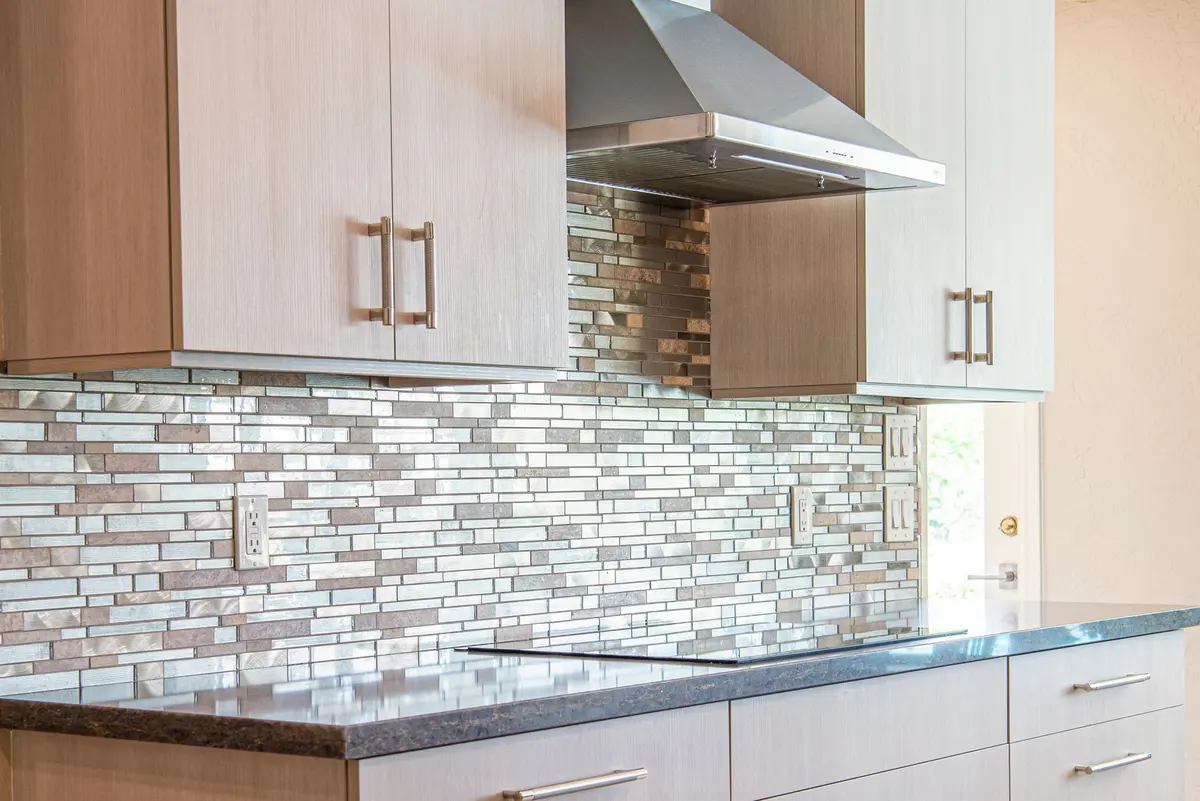
Richmond homes bring their own tile challenges. Older houses have floors that are rarely perfectly flat, and humid summers put extra demands on bathrooms. If you are planning a larger bathroom update, see bathroom remodeling, and for kitchen walls see backsplash installation.
Signs You Need New Tile or Tile Repair
Tile problems often start small and get expensive if ignored:
- Cracked or loose tiles that sound hollow when tapped, which means the adhesive has let go.
- Dark, crumbling or missing grout that allows water to reach the layers beneath.
- Soft spots or leaks around a shower, a sign that waterproofing has failed.
- Dated or worn tile that no longer suits the room and cannot be fixed by cleaning.
- A remodel underway where new tile has to tie into new flooring, counters or fixtures.
How We Install Tile
Plan and measure
We measure the space, choose tile size, pattern and grout color with you and plan the layout so cut tiles end up in the least visible places.
Prepare the substrate
We remove old material, check the surface for flatness, repair low spots and install backer board or a membrane where it is needed.
Waterproof wet areas
In showers and other wet spaces, we apply a waterproofing layer and treat seams, corners and drains before any tile is set.
Set the tile
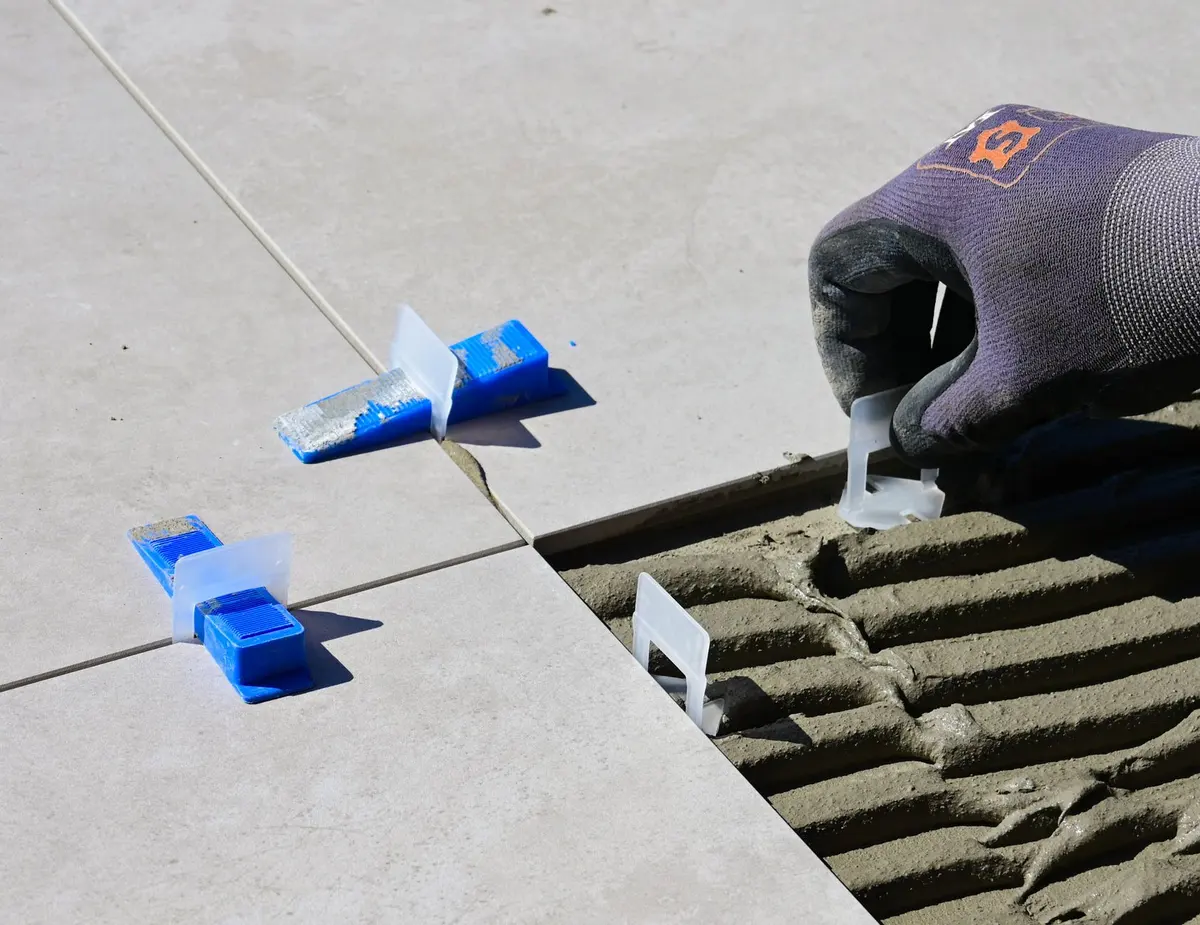
We spread adhesive in even coverage, set tile with spacers and levelers and check the surface as we go so tile edges line up.
Grout, seal and finish
After the adhesive cures, we grout, clean off the haze, seal where needed and caulk movement joints and corners.
What Changes the Price of Tile Installation
Tile jobs vary more than almost any other kind of work. These are the factors that set the cost:
Tile material and size
Large-format, natural stone and mosaic tile cost differently and take different amounts of time to set.
Area and layout
Small rooms with many cuts can take as long as bigger open ones.
Substrate preparation
Leveling floors, adding backer board or fixing damaged walls adds work before tile goes on.
Waterproofing
Showers and wet areas need more layers and more careful detail than a dry floor.
Demolition of old tile
Removing existing tile, especially tile set in mortar, is slow, dusty work.
Pattern and trim
Diagonal layouts, borders and edge trim add cutting and time.
Why Richmond Homeowners Choose EGM Renovations for Tile
Tile work is part of what Edwin Madrigal does every week, from backsplashes to bathroom surfaces. He is patient about layout and preparation, which is where tile jobs succeed or fail.
The same team can handle the work around the tile, including removing the old surface, preparing the floor and painting the room afterward, so you are not trying to schedule separate people around curing times.
We explain each step before we start, and the quote is free. If a bigger project is brewing, our flooring and remodeling pages show how tile fits in.
Tile Installation in Richmond and Henrico
We set tile throughout Richmond and Henrico County. See our Richmond page for older homes whose floors are rarely level, and our Henrico County page for mid-century houses with bathrooms due for an update.
Tile Installation FAQs
Can tile go directly on my existing floor?
Rarely. Tile is rigid and cracks if the surface under it flexes, so the substrate has to be solid and flat. Plywood subfloors usually need a backer board or an uncoupling membrane first, and old vinyl, loose boards or uneven concrete have to be dealt with before any tile goes down.
What is the difference between ceramic and porcelain tile?
Porcelain is denser and absorbs less water, so it handles wet areas and heavy traffic better and is the usual choice for showers, entries and basements. Ceramic is easier to cut and often cheaper, and works well for walls and low-traffic floors.
How do you waterproof a shower?
Tile and grout are not waterproof on their own. A shower needs a waterproofing layer behind the tile, such as a membrane or liquid-applied coating, with careful treatment of corners, seams and the drain. Skipping this step is the leading cause of leaks that show up months later.
How long does grout need before I can use the floor or shower?
Adhesive typically needs about a day before grouting, and grout needs time to cure before heavy use or sealing. Showers need longer before exposure to water. We give you the cure times for the materials we use.
Why do tile floors crack?
The most common causes are movement in the subfloor, a missing or poorly installed backer layer, no expansion gaps at the walls and heavy objects dropped on hollow spots. Good preparation prevents almost all of them.
Ready to Talk Tile?
Call or send a request with the room and the look you have in mind. We will give you a free quote.